Beach Company Bets on Ultra-Luxury Rental Market
The Charleston-based developer's newest project tests whether demand exists for $23,000-a-month rentals in a city where median rent hovers around $1,800.
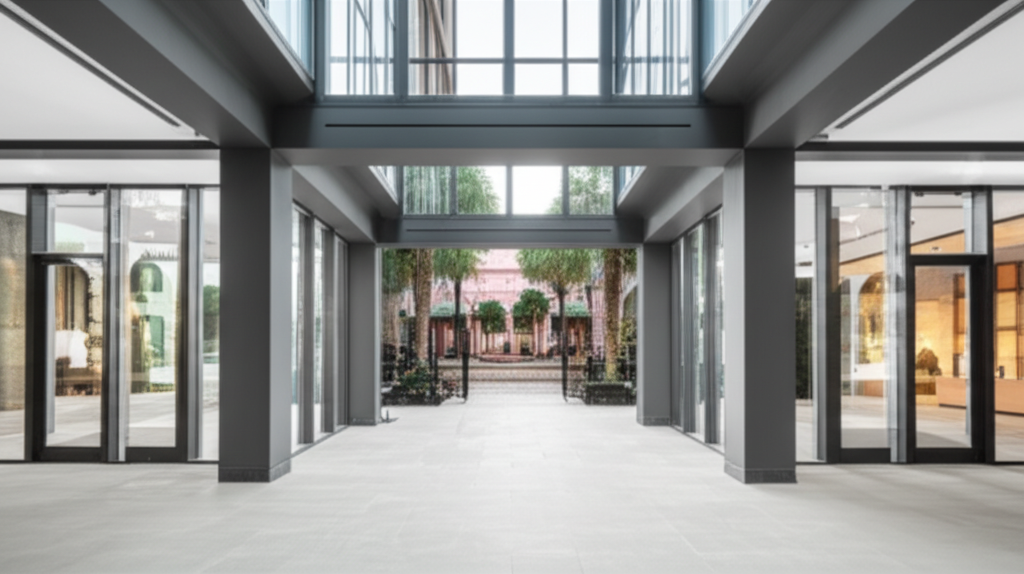
The Beach Company has completed a 23-unit waterfront development in downtown Charleston where rents top out at $23,000 monthly, a price point that tests the upper limits of a luxury rental market that barely existed a decade ago. The project, known as The Charles, reflects the Business climate’s growing appetite for premium rentals.
The Charles, which finished construction in December, represents a strategic bet by the Charleston-based developer that a segment of renters exists who want premium waterfront living without the complications of purchasing property in one of the country’s most regulated historic districts.
The math works out roughly like this: a $23,000 monthly rent equals $276,000 annually. At typical rent-to-income ratios, that requires household earnings above $800,000 per year. Alternatively, it suggests tenants for whom cost is less important than flexibility—executives on temporary assignments, wealth holders with multiple residences, or buyers waiting out the market.
The development includes 15 three-story townhomes and eight residential flats ranging from 1,600 to 3,400 square feet. Monthly rents start at $9,000 for smaller units, still five times Charleston’s median rent.
For context, $9,000 monthly covers mortgage payments on roughly a $1.5 million property. At $23,000, that figure approaches $4 million.
The Beach Company, known for high-end developments including The Jasper at Kiawah Island, appears to be targeting buyers who face obstacles in Charleston’s purchase market. Waterfront lots on the peninsula rarely trade, and when they do, closing can take years as buyers work through Board of Architectural Review approvals and historic preservation requirements.
A rental product bypasses those hurdles entirely.
Whether The Charles finds sufficient tenants at its asking rates will provide data on the depth of Charleston’s luxury market. The city has attracted significant wealth migration in recent years, particularly from higher-tax states, but that migration has primarily manifested in home purchases rather than ultra-premium rentals.
Balfour Beatty served as general contractor. The project’s completion adds to a pipeline of luxury product that has transformed Charleston’s rental landscape from a market dominated by historic carriage houses and garden apartments to one that includes amenity-rich new construction at institutional scale.