Four Affordable Units Open Downtown as City Pushes Housing
The Septima P. Clark Cottages on Fishburne Street represent Charleston's latest effort to preserve affordable housing options downtown amid rising costs.
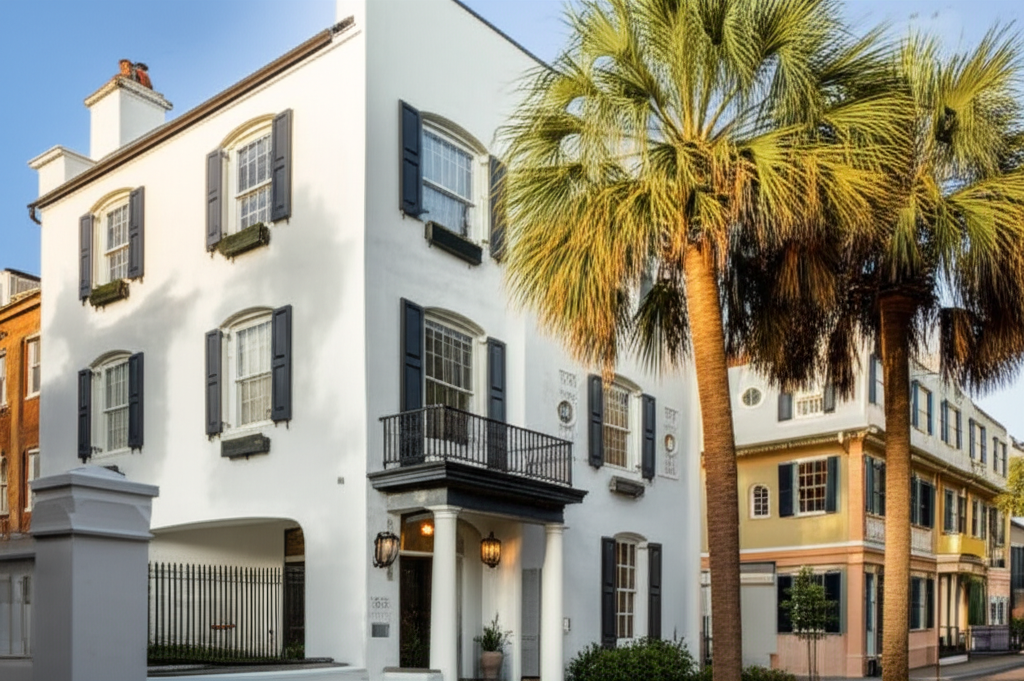
Four new affordable housing units opened on Fishburne Street this week, representing Charleston’s ongoing effort to maintain housing options for working families in the downtown peninsula where Charleston’s Peninsula Gains Residents for First Time Since 1930s.
The Septima P. Clark Cottages at 89 Fishburne Street were celebrated with a ribbon-cutting ceremony attended by city officials and the Charleston Redevelopment Corporation. The project converts existing structures into workforce housing units targeted at teachers, service workers, and other essential employees priced out of the downtown market.
Each unit ranges from 800 to 1,200 square feet and qualifies households earning between 60 and 80 percent of the area median income, translating to roughly $48,000 to $64,000 annually for a family of four. Monthly rents are capped at $1,200 to $1,600, well below market rates for comparable downtown properties.
“These units represent exactly the kind of housing our workforce needs to remain in the community,” said a Charleston Redevelopment Corporation spokesperson at Tuesday’s ceremony.
The Fishburne Street project required $2.8 million in city funding combined with federal historic tax credits and low-income housing tax credits. The Charleston Redevelopment Corporation partnered with Affinity Development Group to rehabilitate the structures while maintaining their historic character in the Ansonborough neighborhood.
Construction began 18 months ago after city council approved zoning modifications to allow the residential conversion. The project preserved original architectural details including heart pine floors and brick chimneys while adding modern energy-efficient systems and accessibility features.
The cottages fill a critical gap in Charleston’s housing inventory as median home prices continue climbing. Recent data shows Charleston housing inventory has shifted significantly, but affordable options remain scarce downtown where most new construction targets luxury buyers.
City planning director Jacob Lindsey said the Septima Clark project demonstrates how adaptive reuse can create affordable housing without new construction. “We’re maximizing existing structures in established neighborhoods rather than requiring greenfield development,” Lindsey explained during the ceremony.
The project faced initial resistance from some Ansonborough residents concerned about parking and density. Community meetings held throughout 2023 addressed traffic patterns and building design to minimize neighborhood impacts. Final plans reduced the originally proposed six units to four based on resident feedback.
Ansonborough Neighborhood Association president Sarah Mitchell said the community supports affordable housing but emphasized the importance of appropriate scale. “These cottages fit the neighborhood character while serving families who contribute to our community,” Mitchell said.
Funding for the project combined multiple sources typical of affordable housing development. The city provided $1.2 million through its Housing Trust Fund, established in 2019 with dedicated revenue from development impact fees. Federal historic tax credits contributed $800,000, while low-income housing tax credits generated an additional $800,000.
Charleston has committed $15 million over five years to affordable housing initiatives through the Housing Trust Fund. The Septima Clark Cottages represent the fund’s largest single project to date, with previous efforts focusing on homebuyer assistance and rental vouchers.
The cottages honor Septima Poinsette Clark, the Charleston civil rights educator who developed citizenship schools throughout the South during the 1950s and 1960s. Clark lived on Johns Island and worked extensively in Charleston’s African American community before her national recognition.
Applications for the four units opened in October with a lottery system handling 127 qualified applicants. Priority went to city employees, school district workers, and hospital staff. All units were leased within two weeks of opening.
Resident selection emphasized household stability and community connection. Three of the four households include Charleston natives, while the fourth family relocated from North Charleston where rising rents forced displacement.
City council member Mike Seekings, who represents the downtown district, said the project proves affordable housing can work in high-cost neighborhoods. “We’re not just preserving economic diversity but maintaining the workforce that keeps downtown functioning,” Seekings said.
The Charleston Redevelopment Corporation plans similar projects on East Bay Street and Spring Street using the same financing model. Those developments would add 12 more affordable units over the next three years, pending city council approval and federal tax credit allocation.
Development costs per unit averaged $700,000 for the Fishburne Street project, reflecting downtown land values and historic preservation requirements. Similar projects in North Charleston or West Ashley would cost roughly half that amount, but city officials prioritize downtown locations to prevent workforce displacement.
The project’s 30-year affordability restriction ensures units remain available to moderate-income households through 2054. After that period, units could convert to market rate unless the city exercises purchase options built into the development agreement.
Construction employed local contractors including James Island-based Affinity Development and Mount Pleasant architectural firm Studio Main. The project created 35 construction jobs over 18 months and supports two permanent property management positions.
Charleston’s affordable housing strategy focuses on scattered-site development rather than concentrated projects. The approach maintains neighborhood integration while avoiding the concentration of poverty seen in traditional public housing models.
Future phases of the city’s Real Estate & Development strategy include teacher housing near schools and senior housing for aging peninsula residents. Those projects await federal funding decisions expected by spring 2025.
The Septima Clark Cottages opened as Charleston continues attracting new residents and businesses despite cooling market conditions. Housing advocates say projects like Fishburne Street help ensure longtime residents benefit from growth rather than displacement.