Downtown Affordable Housing Project Opens Amid Charleston Crisis
Four new affordable units at Septima P. Clark Cottages mark progress in Charleston's housing efforts, but developers say more zoning changes needed.
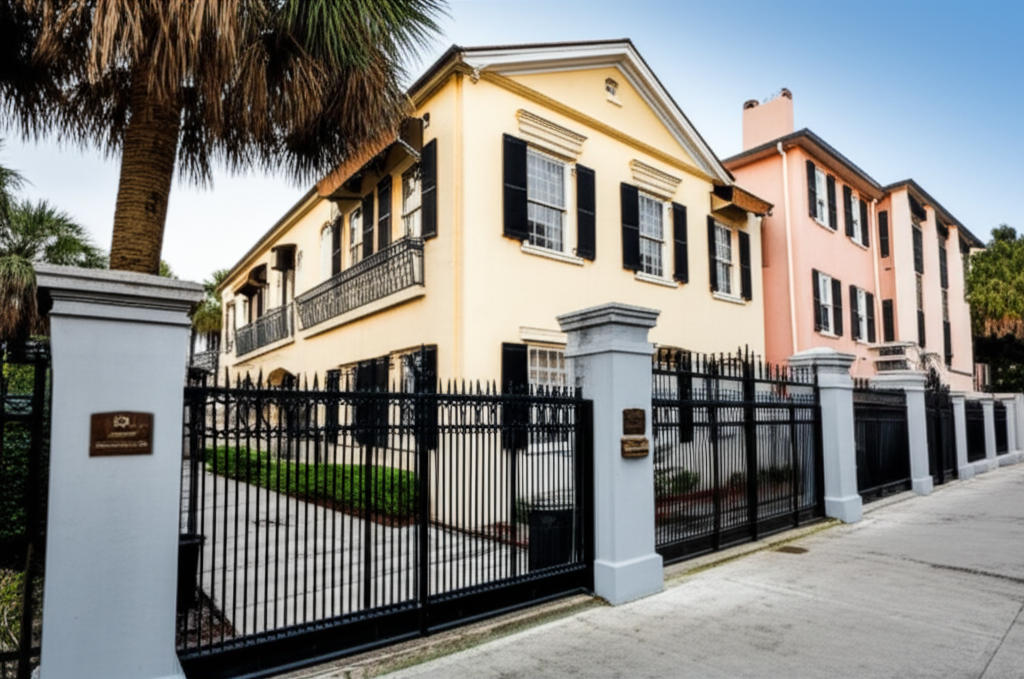
Four affordable housing units opened this week on Fishburne Street in downtown Charleston, the latest small-scale effort to address a housing crisis that has priced out teachers, service workers and longtime residents from the peninsula.
The Septima P. Clark Cottages at 89 Fishburne Street represent a $1.2 million investment by the Charleston Redevelopment Corporation, featuring two-bedroom units priced below market rate for households earning 60% to 80% of the area median income. That translates to roughly $42,000 to $56,000 annually for a family of three, according to U.S. Department of Housing and Urban Development guidelines.
City Council allocated $800,000 in federal Community Development Block Grant funds toward the project, with the redevelopment corporation covering remaining costs through tax credit financing. The units will remain affordable for 30 years under deed restrictions.
“These four units won’t solve our housing shortage, but they represent the kind of targeted investment we need to keep working families in downtown neighborhoods,” said Charleston Redevelopment Corporation Executive Director Lindsey Hair during Tuesday’s ribbon-cutting ceremony.
The project sits on a 0.3-acre lot that previously housed a dilapidated duplex the city acquired through tax foreclosure in 2019. Zoning changes approved last year allowed higher density development, enabling four units where only two existed before.
Charleston’s peninsula has gained residents for the first time since the 1930s, but most new housing targets luxury buyers rather than moderate-income households. Median home prices downtown exceeded $850,000 in 2024, while the four Septima Clark units will rent for $1,200 to $1,400 monthly.
The cottages feature energy-efficient construction with heat pumps, improved insulation and Energy Star appliances to keep utility costs manageable. Each unit includes two bedrooms, 1.5 bathrooms and 950 square feet of living space, plus assigned parking spaces.
Housing advocates say the project demonstrates progress but emphasize the scale of Charleston’s affordability challenge. The city’s 2019 housing needs assessment identified demand for 17,000 additional affordable units by 2030.
“Four units is a start, but we’re talking about thousands of families who can’t afford to live where they work,” said Lowcountry Housing Trust Director Sarah Johnson. “Teachers, firefighters, restaurant workers – they’re all being pushed further from downtown every year.”
The redevelopment corporation has five similar projects in planning stages across Charleston, targeting former public housing sites and underutilized city-owned parcels. Combined, those developments would add roughly 180 affordable units over three years.
City Planning Director Jacob Lindsey said zoning reforms approved in 2023 have streamlined affordable housing approvals by reducing parking requirements and allowing accessory dwelling units in more neighborhoods. However, Charleston’s broader housing market remains tight despite recent inventory increases.
“We’ve removed some regulatory barriers, but the fundamental challenge is land costs,” Lindsey explained. “Peninsula property values make affordable development extremely difficult without significant public subsidy.”
Funding remains the primary obstacle for expanding affordable housing downtown. Federal block grant allocations cover roughly $2 million annually for housing programs citywide, while developers estimate $300,000 to $400,000 per unit for new affordable construction on the peninsula.
Mayor William Cogswell proposed a $50 million housing trust fund in his 2024 budget, funded through a combination of development impact fees and general revenue. City Council approved $10 million as a starting point, with plans to increase contributions over five years.
“Housing affordability affects every aspect of our economy,” Cogswell said. “When teachers can’t afford to live here, when restaurant workers commute an hour each way, that’s unsustainable for Charleston’s future.”
The Septima Clark project honors Charleston civil rights leader Septima Poinsette Clark, who taught on Johns Island and developed citizenship education programs during the 1960s. Clark faced housing discrimination during her career, making the affordable housing dedication particularly meaningful, according to project organizers.
Applications for the four units drew 127 responses within two weeks, highlighting demand for affordable options downtown. Priority went to Charleston County residents working in essential services, with final tenant selection through lottery.
Construction took 14 months after zoning approval, with Charleston-based Structures Building Company serving as general contractor. The project created 25 temporary construction jobs and will generate roughly $12,000 annually in property tax revenue.
Developers note that similar small-scale affordable projects could fit on dozens of underutilized lots throughout downtown Charleston, but most require public land or subsidy to achieve feasible financing.
“The model works, but it needs consistent funding and political support,” said affordable housing developer Marcus Williams. “Four units here, eight units there – it adds up over time if we maintain momentum.”
City Council will review additional affordable housing proposals next month, including a 24-unit development planned for upper King Street. That project would combine market-rate and affordable units, testing whether mixed-income development can expand without deep public subsidy.
The Septima Clark Cottages represent Charleston’s first new affordable housing construction downtown since the redevelopment corporation completed Gadsden Green renovations in 2019. Housing advocates hope the project’s completion will encourage additional investment in affordable housing initiatives throughout the Lowcountry.